
Before starting a website project, it's worth understanding how ownership works and where your domain is registered. Just as important is what happens to everything once the project is complete.
Every studio has its own way of managing website projects. Some transfer ownership once the final invoice has been paid, while others provide access to different accounts throughout the development process. Neither approach is necessarily a problem, provided the arrangement is clear from the beginning.
There are a few things worth clarifying before you sign:
Who owns the site, the domain and the content when the project ends?
At What IF Web, we retain ownership of the completed website until the project has been paid in full. Once payment is complete, ownership transfers to the client. We also provide a handover document covering the relevant accounts and logins, so clients know exactly where everything lives.
The important thing is to understand these arrangements before work begins, rather than discovering how ownership and access work when you're ready to move on.
Who updates content after launch, and can we do it ourselves?
Most websites need content updates over time, whether that's publishing a new blog post or updating a service page as the business grows. It's worth understanding how much of this you can manage yourself and when you'll need help from your development team.
A good CMS should make everyday content updates easy, without needing to involve a developer every time something changes. For more complex design or development updates, you'll want to understand what support is available and how additional work is priced.
Before signing a contract, there are a few things worth clarifying:
- Content management: Which parts of the website can you update yourself?
- CMS training: What guidance will you receive to help you manage the website?
- Ongoing support: Who can you contact when you need help with something more complex?
- Additional costs: How are development changes and ongoing support priced?
At What IF Web, we provide clients with recorded Loom walkthroughs and supporting documentation as part of the handover process. These resources show clients how to manage their website and make common content updates themselves.
We particularly like recorded walkthroughs because they become a reusable resource. Rather than relying on remembering everything from a one-off training session, clients can revisit the videos whenever they need a refresher or share them with someone new on their team.
The goal is to give you the confidence and resources to manage your own website, while knowing there's ongoing support available when you need additional help.
Where is the site hosted, who pays the host, and what happens when something breaks?
Every website needs hosting, but how it's managed can vary depending on the platform and the agency you work with. The specifics of your project also affect the setup.
Some studios have clients manage their own hosting accounts, while others manage hosting on their behalf. Both approaches can work well. What's important is knowing where your website lives and what you're paying for. You should also know who's responsible for keeping it running.
Before starting a project, there are a few things worth clarifying:
- Hosting platform: Where will your website be hosted? Platforms like Webflow and AWS each have different hosting arrangements.
- Hosting costs: How much does hosting cost, and is it included in your project or ongoing fees?
- Account management: Will hosting sit under your account or be managed by the agency?
- Ongoing maintenance: Who handles updates and monitoring? And who looks after backups and technical issues?
- Support arrangements: What happens if your website goes down, and who do you contact?
At What IF Web, we work with different hosting environments depending on the requirements of each project. The right setup depends on the technology being used and what the website needs to do.
The important thing is that you understand the arrangement before your website goes live. You should know where it's hosted and what it costs. You should also know who's responsible for keeping it running.
What's the timeline, and what happens when it slips?
Website projects involve several stages, starting with discovery and design, then moving through development and launch. Having a clear timeline helps everyone understand what's happening and what's coming next, with the key completion points along the way.
However, a website project isn't entirely controlled by the agency. Content delivery and approvals can affect how quickly a project progresses, along with access to third-party services.
Before committing to a timeline, it's worth understanding:
- Project stages: What are the main phases of the project, and what happens during each one?
- Milestones: When should you expect to see designs and development progress? And when does the working website arrive?
- Client responsibilities: What content and feedback will the agency need from you, and when?
- Communication: How will progress be shared, and how will changes to the timeline be communicated?
- Dependencies: Are there integrations or external services that could affect delivery?
At What IF Web, we break projects into stages so clients have a clear understanding of what we're working on and what we need from them. We also recognise that timelines depend on both sides. If we're waiting on content or feedback, that can affect the next stage of development.
A good project timeline isn't just a launch date. It's a shared plan that outlines responsibilities and milestones, giving everyone a clear picture of how the project will get across the line.
When discussing timelines, make sure you understand what's expected from both sides and how any changes will be handled.
What's included in the price, and what counts as extra?
Website quotes can vary considerably, even when two agencies appear to be offering the same thing. That's because the price depends on what's being designed and developed, and what's included in the overall project.
A quote for a five-page brochure website is very different from a custom web application with user accounts and complex integrations. Understanding exactly what's included helps you compare proposals properly and avoid unexpected costs later.
Before signing, make sure you understand:
- Deliverables: How many pages and templates are included? Which features are part of the scope?
- Design: Is the website being designed specifically for your business, or is it based on an existing template?
- Functionality: Which forms and integrations are included? What CMS features or custom functionality are part of the scope?
- Revisions: How many rounds of design or content revisions are covered?
- Additional work: What happens if you want to add features or change the agreed scope?
- Ongoing costs: Are hosting and subscriptions included? Is maintenance and support charged separately?
At What IF Web, we outline the agreed scope before development begins. This gives everyone a shared understanding of what's being delivered and what's included in the price. It also makes clear what would need to be quoted separately.
It's also important to understand that additional requests aren't necessarily a bad thing. Projects evolve, and sometimes new ideas come up once you start seeing the website take shape. The important part is understanding how those changes affect the scope and cost before proceeding.
Ask for a written proposal that clearly outlines the deliverables and associated costs. The more detail you have upfront, the easier it is to make an informed decision. Our marketing websites service page covers what we typically include in a project.
How will we measure whether the site worked?
A website project shouldn't just be about getting something launched. It should be about delivering a website that achieves what you originally set out to build.
However, what success looks like will depend on the purpose of the website and the work included in the project. For some businesses, that might mean making it easier for customers to find information. For others, it could mean improving internal workflows or creating a better content management experience. Sometimes it's about building a platform that supports future growth.
Before starting, it's worth discussing:
- Project objectives: What are you hoping the new website will achieve?
- User experience: How should the website make things easier for your customers or users?
- Functionality: What should visitors be able to do that they couldn't do before?
- Technical requirements: Are there specific technical improvements the new site needs to make?
- Measurement: How will you assess whether the agreed objectives have been achieved?
At What IF Web, we look at success in the context of what we've been engaged to deliver. That might include a more intuitive user experience and a faster-loading site, or streamlined content management and a more flexible technical foundation.
It's also worth recognising that some outcomes depend on work beyond the website itself. Traffic and conversion rates can be influenced by marketing and advertising, or by SEO and AI search strategy. Pricing and wider business decisions play a role too. If those aren't part of the engagement, they shouldn't automatically be treated as a measure of the development team's work.
The best approach is to agree on what success looks like before work begins, so everyone understands what the project is intended to achieve and how the finished website will be evaluated.
About What IF Web
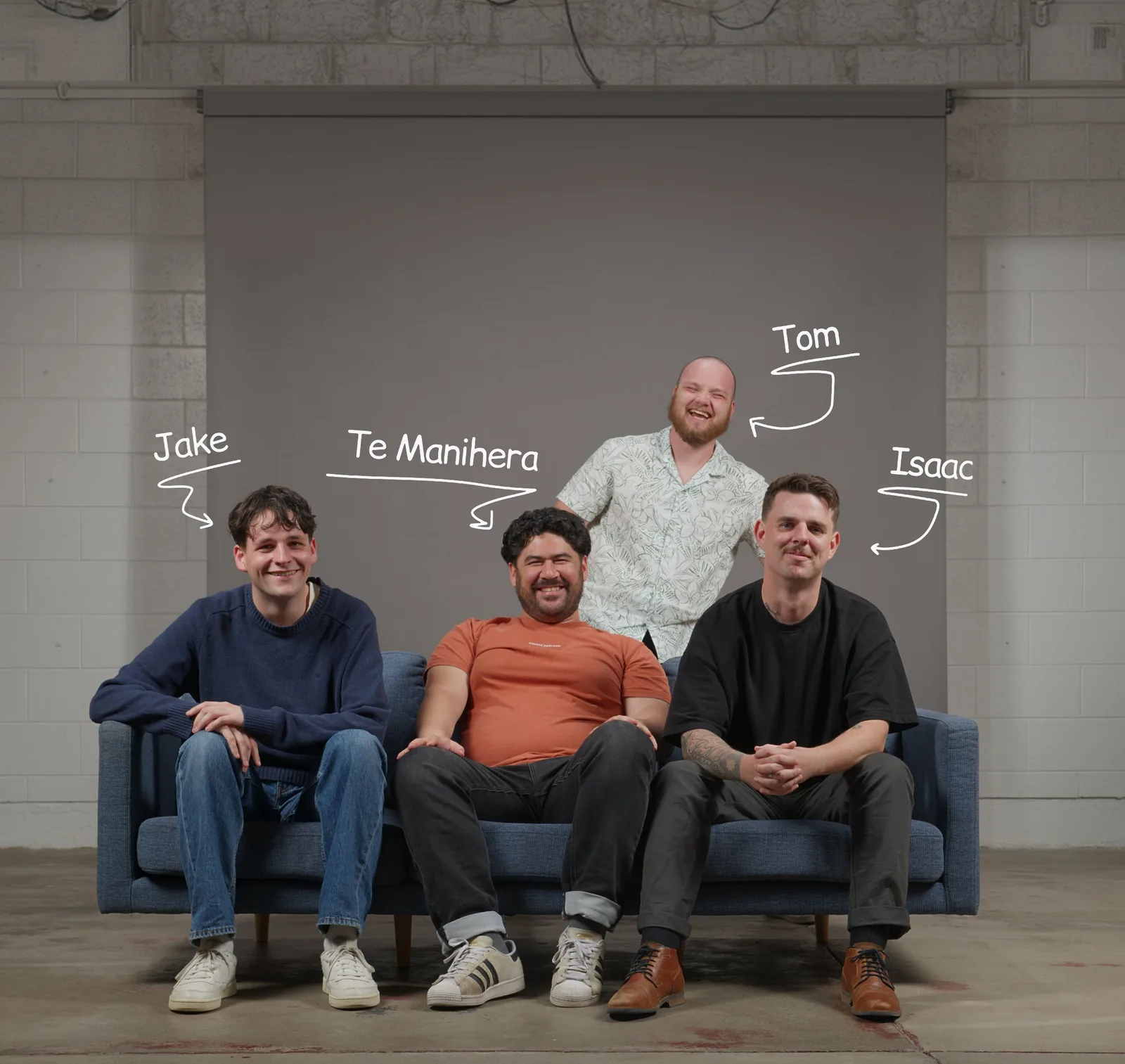
What IF Web is a four-person creative studio in Christchurch, New Zealand, and a Webflow Premium Partner. We've been designing and building websites and web applications since 2022, working with businesses from Christchurch to California.
We believe good websites come from asking the right questions and understanding what a business needs, then building something that goes beyond the expected.
That's why we encourage businesses to ask these six questions before choosing a web design or development partner. They're the same things we consider on our own projects, and we're happy to walk clients through our approach and process before work begins.
Good things happen when you don't do normal.