A brand identity package covers the mark and the whole system around it. That includes the logo and its variants. A colour palette and typography system. The guidelines and files your team needs to use everything consistently. In New Zealand, these packages typically run from around $2,000 for a logo-only engagement up to $30,000 or more for a full identity system with strategy and digital rollout.
This guide covers the five questions New Zealand businesses ask most often when starting a brand project:
- What should be included in a brand identity package?
- What is the difference between a logo and a brand identity?
- How much should I expect to pay for a logo and brand identity in New Zealand?
- How do I choose a good brand designer?
- Should we rebrand before redesigning our website?
What IF Web is a Christchurch creative studio and Webflow Premium Partner that designs brand identities alongside the websites they live on. The ranges and advice below come from our own project work since 2022, including brand builds for NZ businesses like Scalecraft and NextMinute.
What's included at each brand identity tier
A brand identity project in New Zealand typically falls into one of three tiers, depending on how much system and strategy sits around the logo itself.
What should be included in a brand identity package?
A brand identity package should leave your business with everything it needs to look like one company across every place a customer encounters it. A minimum deliverable includes the logo and its variants, plus a colour and typography system. The written guidelines and the final files for your team to use everything come alongside.
A good brand identity deliverable from a studio sounds like: "Here is the primary logo with its variants. Here is the typography system and the colour palette with every code your team will ever need. Here is a brand guidelines document that explains how to use all of it. And here is every file ready to drop into Canva, Figma or Microsoft Office." Everything handed over in the formats your team already uses.
A red flag sounds like: "Here's your logo as a PNG." That's a graphic file, and by itself it doesn't amount to a brand identity. Without the variants and usage rules beneath it, the first time someone outside the design team needs the logo, they'll end up stretching the PNG onto a Facebook cover photo.
Ask the brand designer what you get back at the end of the project, in writing, before they start. If the deliverables list is short, the project is short. A short project priced like a full identity system is your answer on whether to hire them.
What is the difference between a logo and a brand identity?
A logo is a single mark that identifies your business, no matter the context it appears in. A brand identity is the whole system around that mark, covering colour and typography, imagery and tone of voice. The rules for using it all consistently come alongside.
In practice, a business with a logo but no brand identity ends up with inconsistency across its touchpoints. The website uses one typeface and the pitch deck uses another. The LinkedIn posts use colours that look close to the logo but not quite. By the time the business needs to print a pull-up banner or kit out a trade stand, every designer involved makes their own judgement call, and nothing holds together.
A brand identity solves that by giving everyone the same rules to work from. The marketing lead can brief a freelancer on Fiverr and get something consistent back, and the sales team can make their own one-pagers without the brand coming apart. All of it still looks like one company, no matter who is doing the work.
Our logo design in Christchurch page covers the logo side of this in more depth, including what a logo project with What IF Web includes and how we approach the design process itself.
How much should I expect to pay for a logo and brand identity in New Zealand?
Brand identity pricing in New Zealand typically falls into the three bands in the table above. The specific number for any project is driven by scope more than by the hourly rate of the designer. The same studio will quote a different price for a logo-only project than for a full identity system, even when the designer is the same person.
At What IF Web, we scope every brand project to what the business will use, then quote against that scope. A logo-only engagement wraps in two to three weeks. A core brand identity runs four to six weeks. A full identity system with strategy and digital rollout takes eight to twelve weeks. Pricing follows the scope, and every project is quoted up front so you know what you're paying for before any work starts.
Four things reliably drive the price up on a brand identity project:
- Brand strategy work on top of the design, like audience and positioning
- Applied collateral like print or event material
- Multiple language variants or regional versions
- Multiple stakeholders who need to sign off at each design stage
Three things keep the price down on a brand identity project:
- A clear brief with a single decision-maker
- A tight scope focused on what the business uses in the first twelve months
- Reuse of existing assets like photography or typography where sensible
Full payment upfront is a red flag unless the project is small enough that the full amount is also small. A deposit of 30 to 50 per cent at project start is standard across the New Zealand market, with the balance split across the project as agreed in the quote.
How do I choose a good brand designer?
A portfolio with named clients and finished work is the biggest tell that a brand designer is worth hiring. Mood boards and work-in-progress sketches don't count the same way. Beyond that, the questions the designer asks you before quoting say more about how the project will run than any pitch deck.
A good brand designer sounds like: "Tell me about your business before I quote anything. Who are your customers and who are your competitors? Where do you want to be in three years?" That is a designer who treats the brand as a business problem to solve. The logo comes later in the conversation.
A red flag sounds like: "Send me your current logo and I'll send you a quote by tomorrow." That is someone who prices by the file instead of by the scope of the problem. The quote will be fine for a quick logo swap, and wrong for anything more involved.
Look at the portfolio for one specific thing: brand identities that still look consistent when you click through to the company's website today. Even better if the LinkedIn and recent collateral still match the identity the designer shows. A brand identity that only exists in the case study and never made it to the client's touchpoints is a design project that stopped at handover. The brands that hold together everywhere are the ones with a studio behind them who sees the whole system.
Ask the designer for two or three past clients you can speak to directly. A designer with a track record will have the list ready. A designer without one will usually point at a testimonials page and leave it there.
Should we rebrand before redesigning our website?
The order you tackle these in depends on where the main problem sits across the two. Rebrand first when the brand no longer fits the business. If the brand is sound and only the site is tired, redesign the website and tidy the brand as part of the project. For businesses where both need work, running them in parallel with one team is cheaper than doing them in sequence. The order you choose affects the budget more than most teams expect.
The underlying reason this question comes up more than any other is cost. Rebuilding a website on an outgoing brand means paying to rebuild the site again as soon as the new brand lands, and most businesses only find that out on invoice number two.
The reverse is also true: a new brand on an old website looks awkward for the months it takes to roll the brand out, and sometimes undoes the brand work entirely before the website catches up.
Rebrand first when the brand has outgrown the business
If your audience has shifted or your positioning has changed, the brand is the deeper problem. Same goes if your logo is still the one you made in the first week of trading. The website is just where the mismatch is most obvious. Rebuilding the site on the outgoing brand means repainting the kitchen before deciding whether to knock through the wall.
Here are three common signs the brand has outgrown the business:
- The sales team keeps apologising for the logo on calls
- The pitch deck looks like it came from a different company than the website
- A team member made a quick-fix mockup in Canva and everyone preferred it to the current brand
Redesign first when the brand still fits
If the brand still feels like your business and only the website is holding the team back, redesign the site and tidy the brand as part of the project. Most brands have a handful of inconsistencies that have crept in over the years, and a good web project naturally cleans them up.
Here are three common signs the brand is still in good shape:
- The sales team still likes the logo and uses it in calls without apology
- The brand colours still match what's on the van and the LinkedIn header
- The problem is the website being slow or outdated, while the brand is still doing its job
Do both at once when the business needs both
The most efficient route for businesses that need both is to run them in parallel with one team that does both. You save the cost of rolling the brand out across the website as a second phase, and you avoid the awkward in-between period where the new brand and the old site don't match.
This is the main reason to use a studio that does both brand and web. The alternative, a brand agency and a web agency working separately, means paying two teams to coordinate on the same handover, and the brand sometimes gets simplified on the way through to make the website build easier.
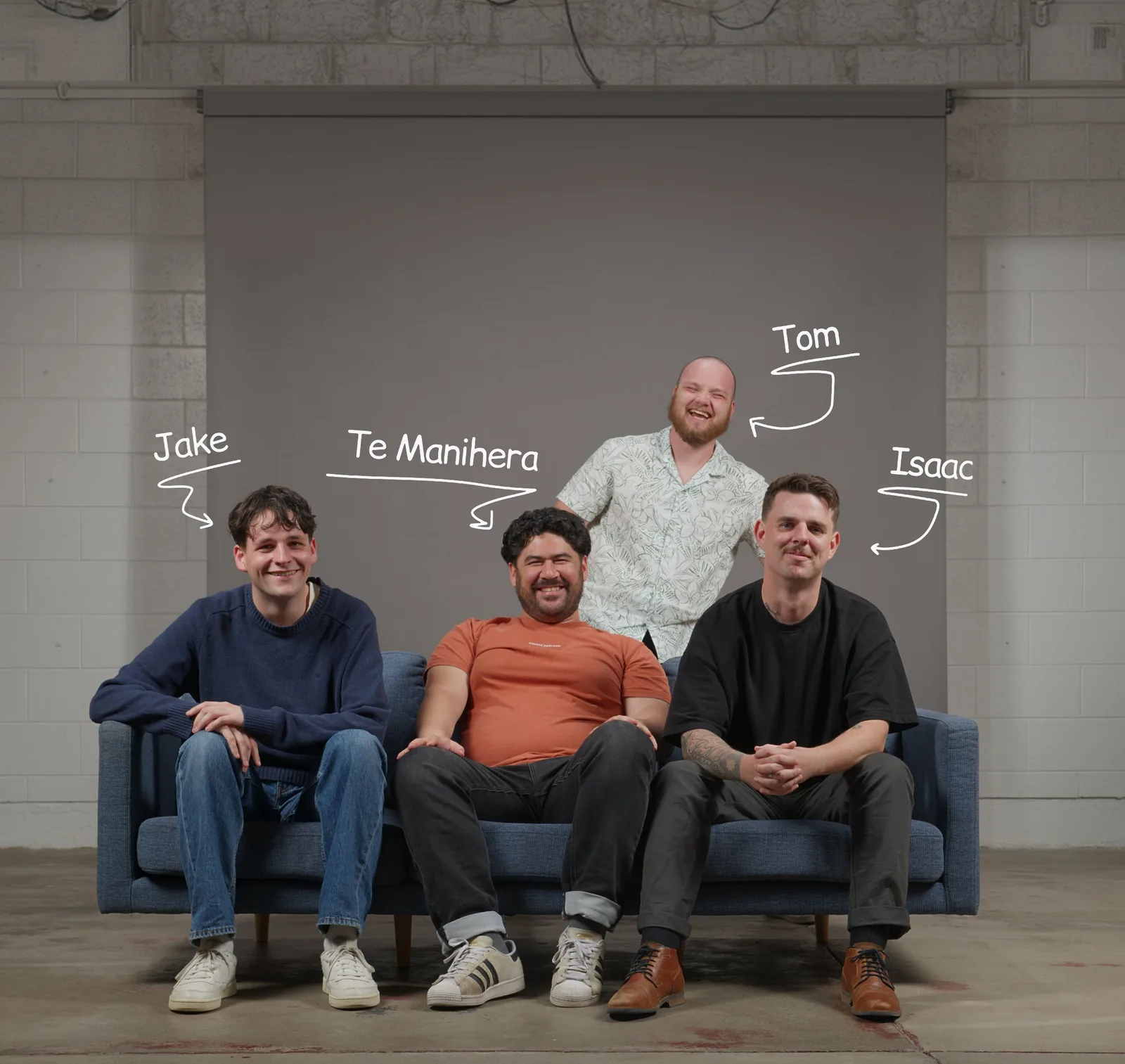
At What IF Web, Isaac Farrow leads client relationships and Webflow development, and Thomas Hendrikz leads the design across brand and web. Both are at the table from the first call, which keeps the brand and the website moving as one project. Our branding in Christchurch page covers what a combined brand and web engagement looks like in practice.
About What IF Web
What IF Web is a four-person creative studio in Christchurch, New Zealand, and a Webflow Premium Partner. We've been designing brand identities and the websites they live on since 2022. Our design work is led by co-founder Thomas Hendrikz, and the client relationships and Webflow side is led by co-founder Isaac Farrow. Our tagline, if we must have one, is "Good things happen when you don't do normal." We quote every brand project up front with the scope written down, so you know what you're paying for before any work starts.
Our branding and design service page covers everything a full engagement includes.